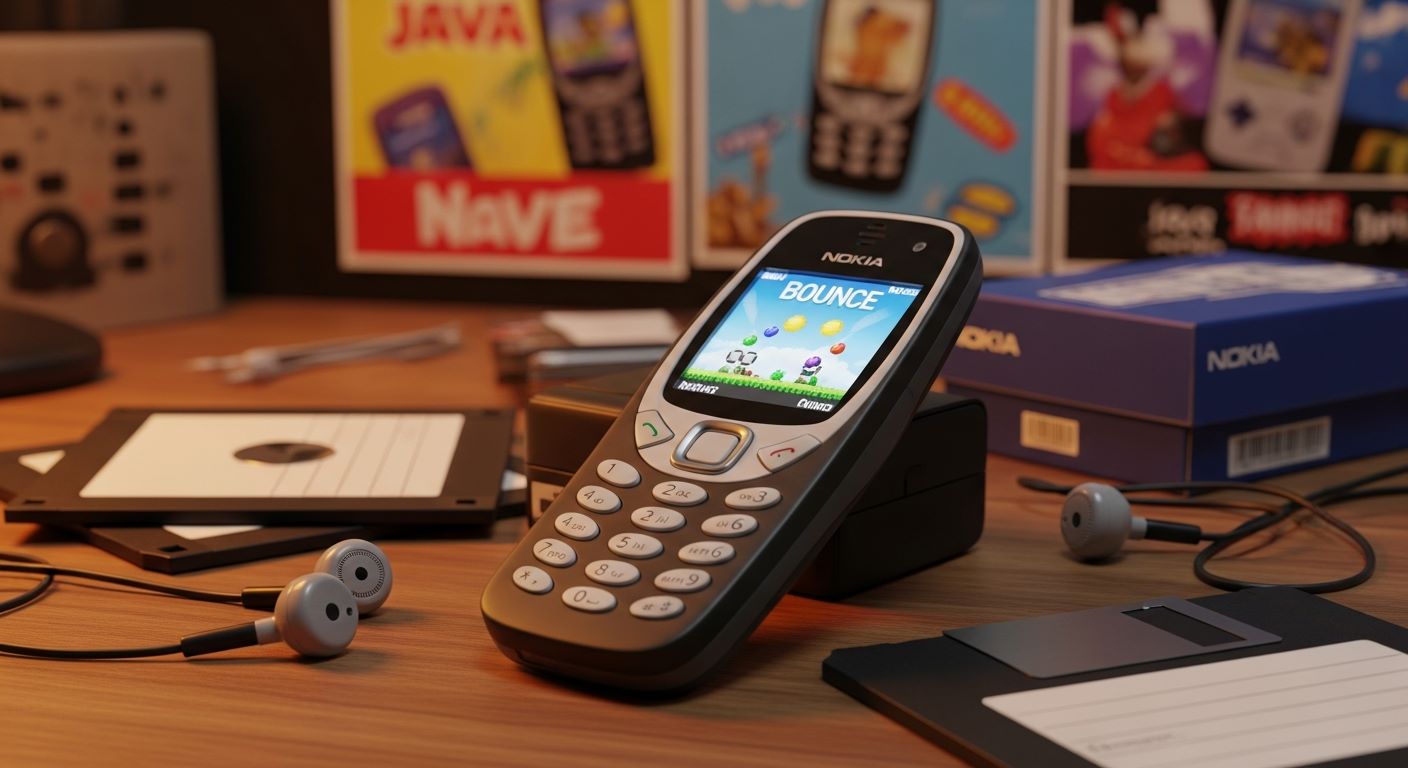
In a landscape dominated by hyper-realistic graphics, sprawling open worlds, and always-online competitive experiences, it's easy to overlook the humble beginnings of mobile gaming. Yet, as we navigate 2026, a vibrant undercurrent of nostalgia continues to celebrate the pixelated charm and innovative spirit of Java J2ME and Symbian retro mobile games. These aren't just digital relics; they are cherished memories, foundational pillars, and, thanks to dedicated communities and evolving emulation, thoroughly playable experiences that resonate with a growing number of gamers today. This article delves into why these classic mobile games still captivate hearts and how you can revisit their golden age.Long before app stores dictated our digital diets and touchscreens became ubiquitous, mobile phones offered a nascent but incredibly engaging gaming landscape. This was the golden age of Java 2 Platform, Micro Edition (J2ME) and Symbian OS, platforms that, despite their technical limitations, fostered immense creativity and delivered countless hours of entertainment right in the palm of your hand. Their legacy is not just one of early adoption, but of a design philosophy that prioritized engaging gameplay over graphical fidelity, proving that innovation could thrive even within tight constraints.
The Dawn of Mobile Gaming: Java J2ME's Enduring Legacy
The Java J2ME platform was a true pioneer, bringing gaming to a vast array of feature phones across the globe. Developers, constrained by low memory, limited processing power, and rudimentary input methods (often just a numeric keypad), were forced to innovate with ingenious design, addictive simplicity, and remarkably efficient code. Titles like the groundbreaking Doom RPG, the ambitious space combat game Galaxy on Fire, and the ever-popular Asphalt series (starting with Asphalt Urban GT) pushed the boundaries of what was thought possible on such devices. Many of these games, despite their minuscule file sizes, offered surprisingly deep gameplay loops, engaging narratives, and a level of polish that defied their technical limitations. They proved that compelling interactive entertainment didn't require high-end hardware, only clever design.
Even today, in 2026, the spirit of these J2ME classics persists, influencing a new generation of indie developers who appreciate the "less is more" philosophy. The appeal lies not just in the powerful pull of nostalgia, but in the pure, unadulterated gameplay that cut through technological clutter, delivering instant fun without complex tutorials or excessive monetization. They were, in essence, the perfect bite-sized escapes for a busy world.
Symbian's Sophistication: A Smartphone Pioneer's Playground
While J2ME cast a wide net across feature phones, Symbian OS, particularly on iconic Nokia devices, represented the more sophisticated end of early mobile gaming. Symbian phones, once the dominant force in the global smartphone market before the meteoric rise of iOS and Android, offered richer graphics, more complex soundscapes, and often superior hardware capabilities. This evolution culminated in dedicated gaming devices like the innovative N-Gage, which attempted to blend phone and handheld console.
This allowed for more ambitious titles, including console-like experiences such as Real Soccer 2006, the tactical shooter Brothers in Arms, and the thrilling racing game Colin McRae Rally, which provided a genuine taste of immersive gaming on the go. Symbian offered a surprising level of customization, from wallpapers to themes, helping to define early smartphone experiences as truly personal. Though Symbian eventually faded, struggling to adapt to the rapid pace of software-driven competitors, its contribution to mobile gaming—and indeed, to the very concept of the smartphone as a multifaceted entertainment device—was monumental.
The Undeniable Allure: Why These Classics Persist
The persistent fascination with these classic mobile games isn't merely about reliving childhood memories; it's a testament to their inherent quality and the unique ecosystem they thrived in. The "nostalgia effect" is a powerful force, transporting us back to simpler times and evoking feelings of joy and wonder that are often difficult to replicate in today's complex digital world. These games offered clear objectives, often straightforward controls, and a sense of accomplishment that remains deeply satisfying. There was a directness to their appeal, a pure gameplay loop that didn't demand constant updates or social engagement.
Moreover, the constraints of the old platforms inadvertently fostered game design principles—simplicity, accessibility, and intuitive controls—that continue to influence modern mobile development. The charming pixel art and distinctive chiptune music, once born out of technical necessity, have become beloved aesthetic choices in contemporary indie games, proving the timeless appeal of these retro elements. Many gamers find a unique satisfaction in the tangible sense of ownership and the offline play these games offered, a stark contrast to the often ephemeral and always-online nature of modern titles.
Bringing Them Back: The 2026 Emulation Renaissance
The good news for enthusiasts is that the world of Java J2ME and Symbian gaming is far from dead. A dedicated community of developers and retro gaming aficionados is actively working to preserve and make these titles accessible on modern hardware through robust emulation. The emulator market in 2025 has seen strong demand from both casual users and developers eager to bridge the gap between past and present.
Java J2ME Emulation
For those looking to revive their favorite Java J2ME games, several excellent solutions exist:
- J2ME Emulator for Android: The latest version 3.0, released in January 2026, allows players to "bring classic mobile gaming back to life" on their Android devices. It boasts high accuracy, smooth performance, enhanced resolution, improved graphics, and fully customizable controls designed for modern touchscreens. You can find it on platforms like Aptoide.
- J2ME Loader: An open-source project, this highly capable emulator runs most 2D and many 3D J2ME games. It offers extensive customizable controls and per-game settings, ensuring a tailored experience.
- NeoJ2ME for PC: Updated in July 2025, NeoJ2ME provides a simple and lightweight frontend for playing J2ME titles on Windows, often without complex configurations. Download it here.
Symbian OS Emulation
The more complex Symbian OS games also have a champion in the form of EKA2L1. This cutting-edge emulator, with its latest version released in February 2024, is designed to recreate the behavior of Symbian OS (EKA1 and EKA2) and N-Gage. Available for Windows, OSX, Linux, and Android, EKA2L1 goes beyond just mimicking the operating system; it meticulously reimplements critical app servers, allowing users to boot numerous EKA1 and EKA2 applications and games. It enables players to "revisit those gaming gems" like Snake II and Real Soccer 2006, and even explore productivity apps of the era. More details can be found on its FileCR page.
The community's dedication extends beyond mere software emulation. In a remarkable demonstration of enduring passion, a new custom ROM for the Nokia N8 – a Symbian flagship from the 2000s – has been released in 2026. This custom firmware not only brings the last Symbian release from Nokia to the N8 but crucially adds the missing app store functionality that the original device lacked, offering a glimpse of "what the N8 could have been." This active development, as highlighted on Hackaday and various Reddit forums, underscores a vibrant subculture determined to keep these platforms alive and fully functional. Resources such as the Emulation General Wiki and active Reddit communities like r/J2MEGaming and r/Symbian serve as hubs for discussion, support, and the ongoing preservation of these digital treasures. The demand for emulators is strong and enduring, particularly for classic gaming experiences.
The Lasting Legacy and Call to Action
The influence of Java J2ME and Symbian titles extends far beyond nostalgic indulgence. They laid the crucial groundwork for the mobile gaming industry we know today, proving the viability and immense potential of gaming on handheld devices. Their design philosophies of simplicity, addictive mechanics, and creative problem-solving in the face of severe limitations continue to inform modern game development. As we look at the mobile gaming landscape in 2026, the echoes of these classic games are unmistakable, shaping everything from indie pixel art darlings to the fundamental user experience of touch-based interfaces.
The commitment of developers and communities to keep these classic mobile games alive through sophisticated emulators and custom ROMs ensures that a piece of gaming history, rich with innovation and charm, remains accessible and celebrated for generations to come. So, fire up an emulator, dust off those old JAR or SIS files, or explore the dedicated communities online, and rediscover the magic of a bygone era that continues to captivate. Dive into a piece of mobile gaming history and experience the pure joy of pixelated perfection!