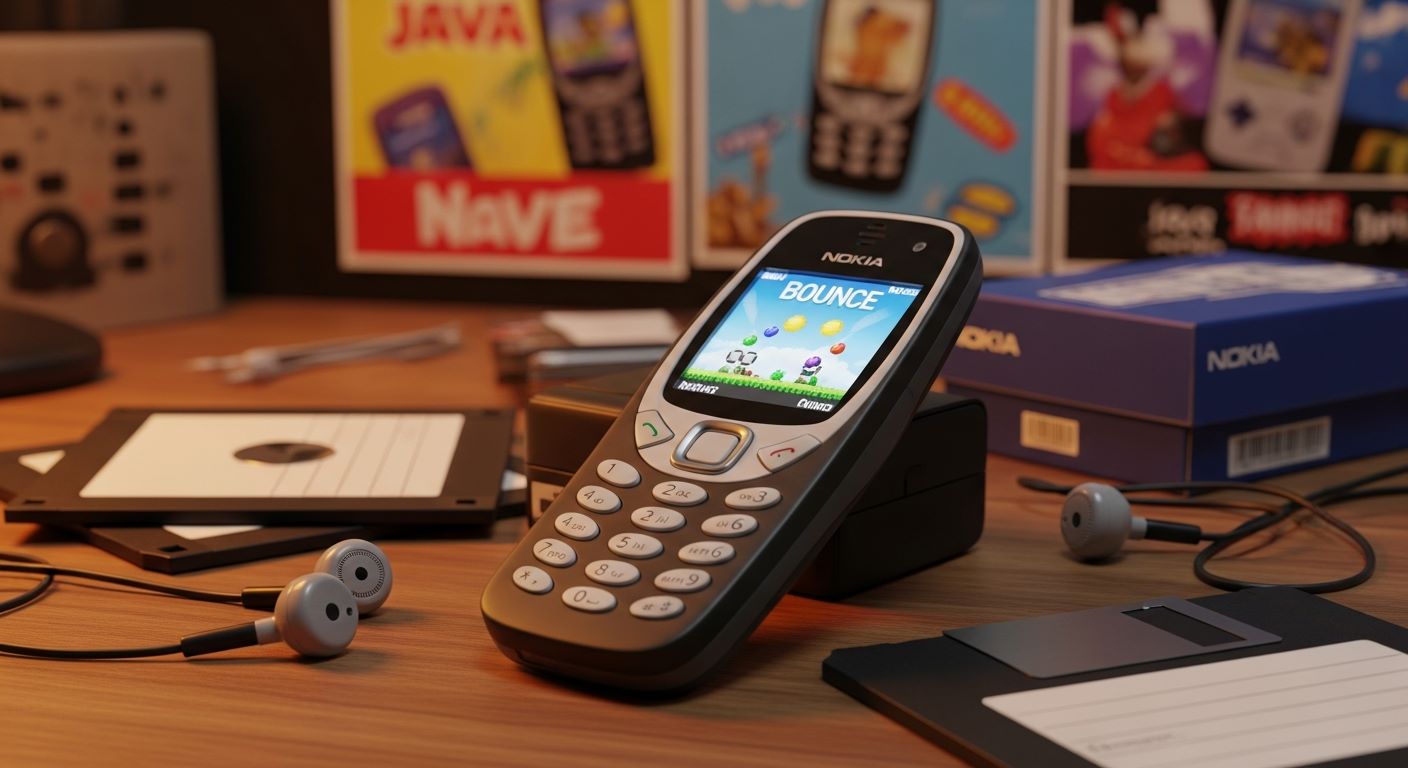
In a world dominated by hyper-realistic graphics, complex storylines, and always-online multiplayer experiences, there’s a quiet but powerful force at play in the American gaming landscape: the enduring appeal of classic mobile games. We're talking about the pioneers of pocket-sized entertainment – the Java J2ME and Symbian era titles that graced our Nokia, Sony Ericsson, and Motorola phones. Far from being forgotten relics, these games are experiencing a vibrant resurgence in 2026, fueled by nostalgia, accessible emulation, and a yearning for simpler digital pleasures that harken back to a less complicated time.
The Dawn of Pocket-Sized Entertainment: A Golden Era Remembered
For many Americans, the early 2000s ushered in a golden age of mobile gaming, long before the advent of the modern smartphone. Handsets running on Java 2 Platform, Micro Edition (J2ME) and Symbian OS were our first true gaming companions, offering a nascent glimpse into portable entertainment beyond basic calculator tricks. These platforms, while primitive by today's standards, fostered incredible creativity and innovation. Developers were forced to work within stringent memory and processing constraints, often leading to elegantly designed, addictive gameplay loops that prioritized pure fun over extravagant graphical fidelity. Iconic titles like the legendary Snake, the adventurous Space Impact, early Gameloft sensations such as Block Breaker Deluxe, and the pioneering N-Gage games captured imaginations, transforming dull commutes and mundane downtime into impromptu gaming sessions. These devices, often featuring tactile keypads, monochrome or low-resolution color screens, and rudimentary internet capabilities, defined an era where gaming on the go was a revolutionary and exciting concept, laying the groundwork for the mobile gaming industry we know today.
The Resurgence: Why Americans Are Rediscovering Pixelated Gems
The rapid ascent of iOS and Android swiftly eclipsed J2ME and Symbian, relegating these early platforms to the historical archives of mobile technology. Yet, as we navigate through 2026, the prevailing sentiment isn't one of pure obsolescence. Instead, a powerful wave of nostalgia is driving a widespread retro renaissance, with millions actively seeking to relive cherished memories or discover these pixelated gems for the very first time. This phenomenon extends beyond wistful reminiscences; it represents a significant and measurable market trend. North America, specifically, stands as a major player in the broader retro gaming scene, accounting for a substantial 38% of global retro gaming console revenue, with approximately 26.7 million Americans actively participating in retro gaming as of 2025. The competitive games emulator market alone is projected to reach an impressive $6.68 billion in 2026, clearly underscoring the considerable commercial and cultural weight of this movement. The desire for simpler, less demanding gaming experiences, coupled with a powerful connection to a shared cultural past, makes this resurgence particularly potent and resonant with a generation looking back at their digital roots.
Bridging the Gap: Modern Emulation Making Classics Accessible
So, how exactly are American gamers reconnecting with these timeless classics today? The answer largely lies in the remarkable advancements and increasing accessibility of emulation technology. Dedicated communities and ingenious developers have worked tirelessly to adapt and bring these vintage experiences to modern devices. This means you don't need to hunt for an old Nokia 3310 or a clunky N-Gage to enjoy these masterpieces; your current smartphone or PC can become a portal to the past.
J2ME Emulator for Android: Your Gateway to Java Classics
One of the most prominent and user-friendly examples is the J2ME Emulator for Android. This free application, frequently updated, offers a seamless gateway to thousands of classic Java titles. It boasts high-definition rendering for sharper, more vibrant visuals than the originals, fast and stable performance for both 2D and 3D games, and fully customizable on-screen controls. These modern controls deftly adapt the original keypad-centric gameplay for today's touchscreens, offering a familiar yet optimized experience. The J2ME Emulator is readily available on the Google Play Store, making it incredibly easy for anyone with an Android device to download and dive back into beloved games like Doom II RPG, Asphalt 3: Street Rules, or classic iterations of Tetris – titles recognized in a January 2026 article as some of the "Best Java Games" still worth playing today, as highlighted by RankRed.
EKA2L1: Emulating the Sophistication of Symbian OS
For those seeking to revisit the more sophisticated Symbian OS titles, particularly the groundbreaking N-Gage games, the EKA2L1 emulator is the definitive solution. Described as an "experimental Symbian OS emulator, written in C++17," EKA2L1 is under active development and supports various Symbian versions, including the legendary N-Gage platform. Installable artifacts for Windows, macOS, Linux, and Android are regularly provided, with consistent updates confirming ongoing development and robust community engagement. This powerful emulator allows users to install ROMs from iconic devices like the N-Gage and Nokia 5800, bringing titles such as Rayman, Splinter Cell Chaos Theory, and FIFA 07-09 back to life on modern PCs and Android devices. EKA2L1 not only restores these games but often enhances them with improved performance and resolution scaling, offering a superior visual experience. More information and download links can typically be found through its SourceForge page or dedicated community discussions.
Beyond Emulators: Preservation Efforts and Official Nods
The spirit of classic mobile gaming is also meticulously preserved through broader initiatives that ensure these digital artifacts are not lost to time. Collections like the "J2ME Mega Collection," comprising hundreds of Java mobile games in their original .jar/.jad format, demonstrate the unwavering commitment of archivists and enthusiasts. These collections are readily available for emulation by anyone eager to explore this rich history.
Even original pioneers of the era, such as Gameloft, continue to operate and openly acknowledge their foundational history. While they are actively involved in developing new, graphically intensive games like BLUEY'S HAPPY SNAPS (coming to PC and consoles in 2026) and engaging in high-profile collaborations such as the March 2026 unveiling of the Porsche 918 Spyder Asphalt Edition for Asphalt Legends (as seen in their Newsroom), they also made a direct nod to their heritage. In 2020, to celebrate their 20th anniversary, Gameloft released the "Gameloft Classics" collection. This free Android app bundles 30 retro Java phone games, including fan favorites like Diamond Rush and Gangstar 2: Kings of L.A. While not a 2026 release, this collection provides a convenient and officially sanctioned way for American players to experience a curated selection of their J2ME legacy, which can be found archived on platforms like the Internet Archive.
The Enduring Allure: Why Simplicity Triumphs in 2026
The profound allure of classic mobile games in 2026 stems from several compelling factors. For many, it's the comforting simplicity. In an age where modern mobile blockbusters like Block Blast!, Roblox, and Honor of Kings dominate download and revenue charts, offering deep, often monetized experiences, classic J2ME and Symbian games provide a refreshing contrast. As discussed by Singular, the mobile gaming industry is projected for continued significant growth, but the appeal of classics remains.
These vintage titles were typically:
- Premium Purchases or Free Downloads: Largely devoid of the aggressive microtransactions, loot boxes, and pervasive attention-grabbing mechanics prevalent in many modern free-to-play titles.
- Self-Contained Experiences: Offering complete gameplay loops without constant internet connectivity or social pressures.
- Focused on Core Mechanics: Prioritizing inventive puzzles, engaging action, or simple yet addictive challenges over sprawling narratives or complex social features.
This offers a less demanding, more pure gaming experience. Furthermore, these games represent a shared cultural touchstone for a generation, evoking powerful feelings of nostalgia for simpler times and earlier technological eras. They offer a tangible connection to personal history and the evolution of digital entertainment.
Conclusion:
As the mobile gaming industry continues its rapid evolution, projected for significant growth in 2026 and beyond, the enduring appeal of J2ME and Symbian classics serves as a potent reminder. Innovation isn't always about what's new, hyper-complex, or graphically demanding. Sometimes, the most powerful and resonant experiences are those that connect us to our past, allowing us to revisit the pixelated worlds that first captured our hearts and introduced us to the magic of gaming on the go. Thanks to dedicated communities, advanced emulators, and a collective yearning for simpler digital pleasures, the golden age of classic mobile gaming isn't just a cherished memory; it's a vibrant, playable reality in 2026. So, why not take a journey back in time? Download an emulator, explore the vast libraries of classic Java and Symbian games, and relive the magic that defined a generation of mobile entertainment. Your next favorite retro game might be just a click away!